

Faculty of Science and Technology (FST) at the University of Macau (UM) is about to undergo a historic restructuring—starting from AY2026/2027, it will officially split into three independent faculties—Faculty of Information Science and Computing, Faculty of Engineering, and Faculty of Science. At this pivotal moment of transition and renewal, we are honored to interview Dr. Ao Peng Kong, who earned his Master’s degree in Civil Engineering from FST in 1997 and his PhD degree in 2007, and currently serves as President of the Board of Directors of the Civil Engineering Laboratory of Macau (LECM). Dr. Ao shares his journey from a site engineer to the pinnacle of his career and offers valuable guidance to young students.
UM Studies: A Transformation from Professional Depth to Intellectual Breadth
Dr. Ao Peng Kong’s career began at the frontline of construction sites. After graduating from university, he started as a resident site engineer and joined LECM as a laboratory technician. Through successive promotions from engineer to division head to department director, he now serves as President of the Board of Directors of LECM since 2003. Since the 1980s, he has actively participated in major construction projects in Macau, focusing on technical supervision, engineering consultancy, and management, dedicated to enhancing the standards of engineering technology and quality oversight in Macau. In 2012, he was awarded the Medal of Merit – Professional by the Macao SAR Government in recognition of his outstanding contributions. This journey from the grassroots to the summit testifies to his decades of unwavering perseverance and dedication.
When discussing the impact of FST’s education on his career, Dr. Ao emphasized the profound influence of graduate studies. He obtained his Master’s and Doctorate degrees in Civil Engineering from UM in 1997 and 2007, respectively. He candidly shared that his decision to pursue further studies stemmed from practical work needs, as he recognized that the work at LECM was highly specialized and required solid theoretical support. Graduate studies brought a fundamental shift in his thinking: “The graduate experience enabled me to understand my work from a higher and deeper perspective. It was a process of proactive learning, proactively identifying research topics, and proactively discovering my own shortcomings.” This training in independent inquiry laid a solid foundation for him to tackle complex professional and managerial challenges in the years ahead.
Lifelong Learning: Driven by Both Interest and Necessity
When asked why he persisted in continuous learning, Dr. Ao’s answer was concise and powerful: “First is interest, second is necessity.” He explained that interest drove him to learn and do more, while work requirements provided the motivation for continuous breakthroughs. “When I graduated from university and worked in the construction industry, I primarily followed established procedures. However, during my Master’s and PhD studies, independent research empowered me to solve complex technical challenges and address management issues.” As his position advanced, Dr. Ao’s scope of work extended far beyond frontline construction. “At my current position, beyond geotechnical engineering and pile foundations, I also need to study structural issues—such as bridge structures and materials—and even the management and legal aspects of LECM, such as our institutional accreditation work, which requires legal support.” This cross-disciplinary knowledge demand prompted him to continue his studies, eventually earning a Master’s degree in Law from the Macau University of Science and Technology, becoming his fourth academic degree.
The Path to Success: “One Destination, Many Routes”
To the younger generation of UM students, Dr. Ao offered the wisdom: “歸元無二路,方便有多門” (One destination, many routes). He explained, “If you want to achieve something—improve yourself, study hard, and reach your life goals—everyone should set their own objectives. But there are many convenient paths to accomplish them.” He encouraged young people to understand themselves, and only by recognizing their interests, abilities, and goals can they find their own way. With down-to-earth perseverance, everyone will naturally forge their own path to success.
Faculty Restructuring: An Inevitable Trend and Interdisciplinary Collaboration
Regarding the significant change of restructuring FST into three separate faculties, Dr. Ao expressed strong approval: “Dividing one faculty into three is an inevitable trend.” He believes that as disciplines become increasingly specialized, more refined division of labor allows talent to focus more deeply on their respective fields—this is the natural direction of professional development.
At the same time, he emphasized the importance of interdisciplinary collaboration. “In the engineering field, we must have a strong foundation in science—physics, chemistry, and mathematics are essential. We also use a great deal of information technology, such as using drones to inspect bridges and employing electronic instruments—all of which are interconnected.” Breakthroughs in specialized fields often require cross-disciplinary insight.
Greater Bay Area Opportunities: Breaking Spatial Constraints, Integrating into National Development
Dr. Ao believes that the University’s focus on the Guangdong-Hong Kong-Macao Greater Bay Area and Hengqin is a crucial step in overcoming Macau’s spatial limitations and integrating into national development. He is optimistic that enhanced connectivity between Macau and mainland China will bring new opportunities for academic and talent collaboration. The restructuring of FST exemplifies Macau’s commitment to advancing cutting-edge technology applications and serving national and regional development. On the other hand, he also encourages UM students to maintain a broad vision while striving for excellence in their specialized fields, as true innovation often emerges at the intersection of disciplines.
From the frontline of construction sites to President of the Board of Directors of LECM, Dr. Ao Peng Kong’s journey embodies a simple yet powerful truth: with down-to-earth dedication, continuous learning, and clear direction, everyone can forge their own path to success.
2026年,澳門大學科技學院迎來成立三十七週年的里程碑時刻,同時也邁入歷史性的轉型階段——正式拆分為信息學院、工學院及理學院。這一重組不僅是對時代變遷的積極回應,更體現了大學培育未來科技人才的前瞻佈局。值此之際,我們特別邀請1997年科技學院土木工程碩士、2007年土木工程博士畢業生、現任土木工程實驗室董事會主席的區秉光博士接受訪問,分享他由駐地盤工程師起步,逐步攀登事業高峰的心路歷程,並為年輕學子指點迷津。
澳大進修:從專業深度到思維廣度的蛻變
區秉光博士的職業生涯,始於最前線的工地。大學畢業後,他從駐地盤工程師做起,加入澳門土木工程實驗室時更是由實驗員起步。經過工程師、處長、廳長的升遷,2003到現在成為澳門土木工程實驗室的董事會主席。自上世紀80年代以來,區博士積極參與本澳各大型建設項目,專注於技術監督、工程顧問與管理工作,為提升澳門工程技術與品質監管水平作出重要貢獻。2012年,更獲澳門特區頒授專業功績勳章,以表彰其卓越貢獻。這段由基層打拼至頂峰的經歷,見證了他數十年如一日的堅持與努力。
談及科技學院的教育對其事業影響,區博士強調研究生教育帶來深遠改變。他早於1997年及2007年分別獲澳大土木工程碩士及博士學位,他坦言,選擇繼續進修源於工作中的實際需要。因他深知土木工程實驗室的工作高度專業,需要扎實理論支撐。就讀碩博為他帶來思維上的根本轉變:「研究生經歷讓我能從更廣、更深入的視角理解工作。這是主動學習、主動找題目、主動發現不足的過程。」這種獨立探究的歷練,為他日後應對複雜專業及管理上挑戰奠定了堅實基礎。
終身學習:興趣與需要的雙重驅動
被問及為何堅持不斷進修,區博士的回答簡潔有力:「第一是興趣,第二是需要。」他解釋,興趣驅使自己多學多做,而工作需要則是不斷突破的動力。「大學畢業時,在地盤裡面都是別人做什麼就做什麼。到碩士和博士的階段,自主研究、自主開發,才能夠幫自己更加解決更專業及管理的問題。」隨著職位的提升,區博士的工作範疇早已超越最前線的工地工作。「當我去到現在這個職位,除了岩土力學和樁基礎外,我更加要研究結構的問題、如橋樑結構、材料,甚至土木工程實驗室的管理及法律等,例如我們的制度認證的工作,這需要法律層面支撐。」這種跨領域的知識需求,促使他繼續進修,更取得科技大學法律碩士學位,成為他人生第四個學位。
成功之道:歸元無二路,方便有多門
對於年輕一代的澳大學子,區博士以「歸元無二路,方便有多門」寄語。他解釋:「如果要做一件事,提升自己、努力學習,然後達到人生目標,每個人都應設立自己的目標。但是用什麼方法去完成,都可以有多個方便之門。」。他勉勵年輕人要了解自己,唯有認清興趣、能力與目標,條條大路皆可通羅馬,腳踏實地前行,自然會走出屬於自己的路。
學院重組:大勢所趨與跨學科協作
面對科技學院分拆為信息學院、工學院及理學院的重大變革,區秉光博士予以充分肯定:「將一個學院分成三個學院,這個是大勢所趨。」他認為,隨著學科發展日趨專門化,更細緻的分工能讓人才更專注於自身領域,這是專業發展的必然方向。
同時,他也強調跨學科協作的重要性。「我們做工程領域,必定需要有很強的理科基礎,物理、化學、數學這些是必須的。因為我們用到的資訊科技是相當多的,比如用無人機來檢測橋樑,我們用電子儀器,這些都是相關連的。」專業領域的突破往往需要觸類旁通。
灣區機遇:突破空間制約,融入國家發展
區博士認為,大學放眼粵港澳大灣區及橫琴是突破澳門空間限制、融入國家發展的關鍵一步。他看好粵澳便捷交流將為學術與人才合作帶來新機遇。科技學院的分拆重組正是澳門推動尖端科技應用、服務國家與區域發展的體現。另一方面,他也寄語澳大學子,在專業領域精益求精的同時,必須保持開闊的視野,因為真正的創新往往誕生於學科的交匯之處。
從工地最前線到土木工程實驗室董事會主席,區秉光博士的經歷體現了一個樸素有力的道理:腳踏實地、持續學習、方向明確,終能走出屬於自己的成功之路。
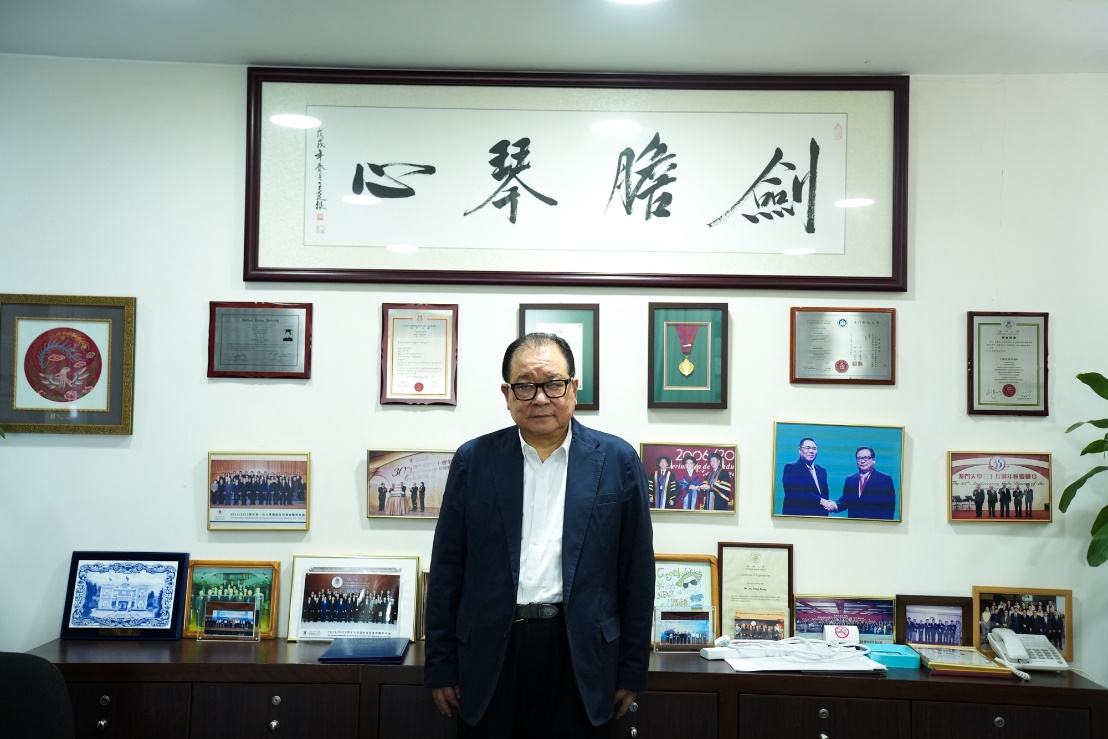
Dr. Ao Peng Kong
區秉光博士
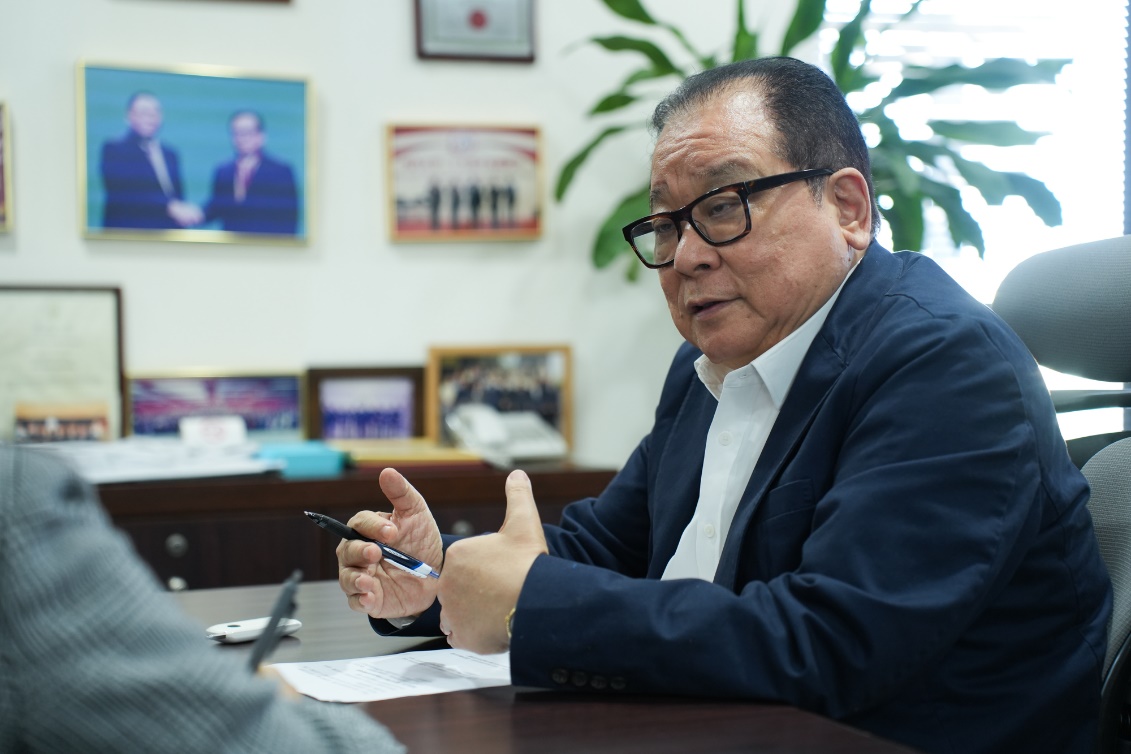
Dr. Ao shares his personal work and learning experiences and insights
區博士分享自身工作及學習的經歷與體會
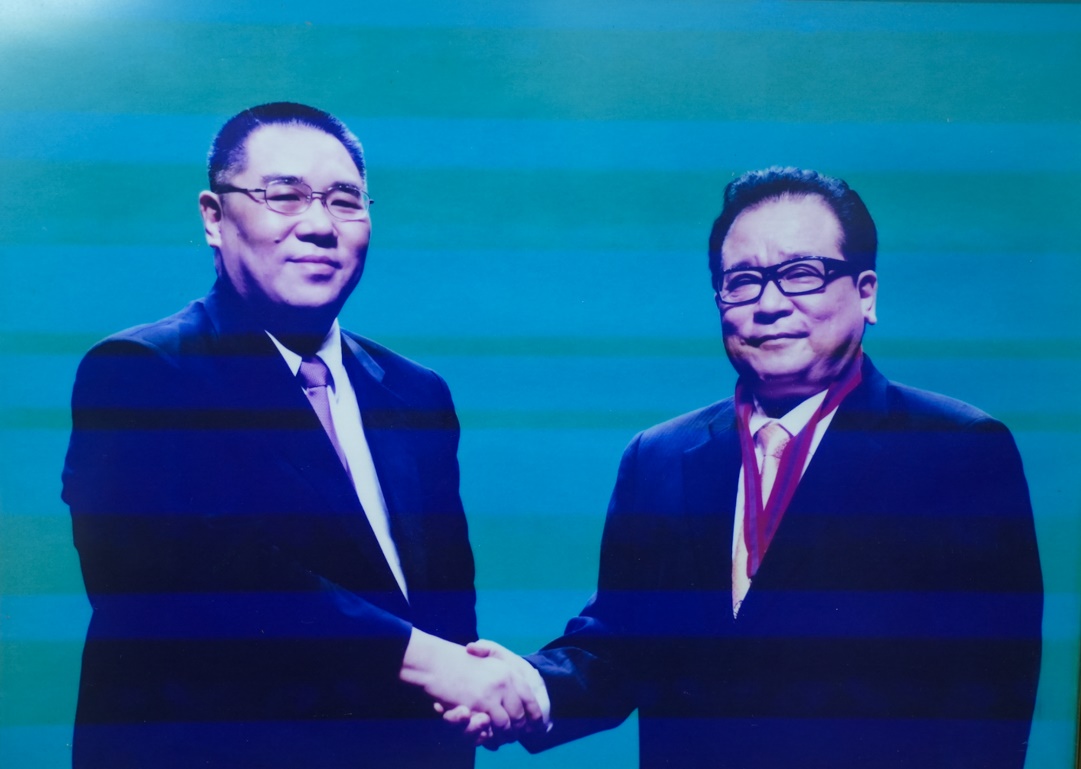
Awarded the Medal of Professional Merit by the Macao SAR Government (2012)
區博士獲澳門特區頒授專業功績勳章(2012年)
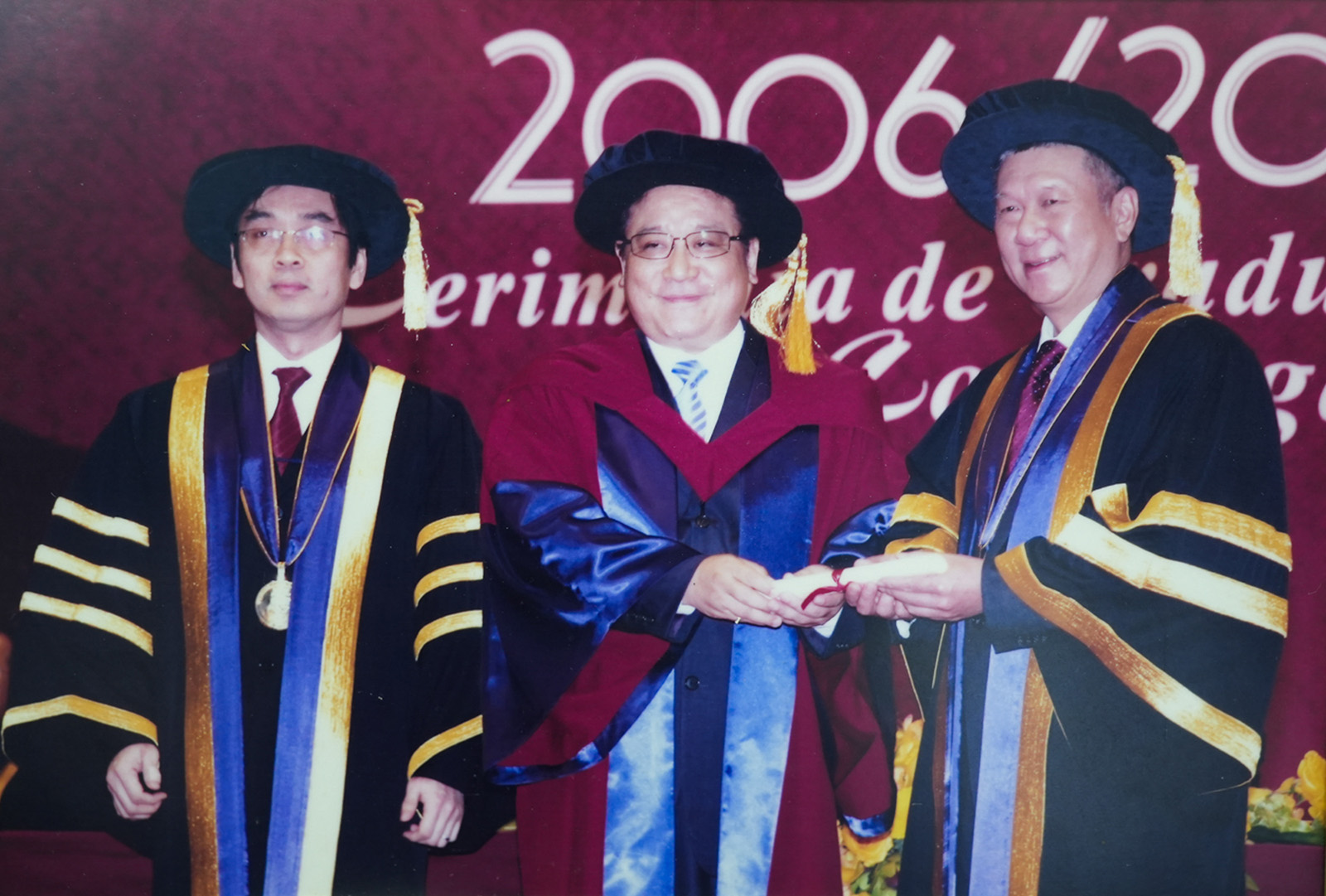
Obtained PhD Degree in Civil Engineering from the University of Macau (2007)
區博士獲澳大土木工程博士學位 (2007年)