

The University of Macau (UM) will establish five science and technology faculties through the restructuring of part of its existing faculties. Student enrolment in science and technology disciplines is expected to reach 14,500 in the future. Yonghua Song, rector of UM, said that the initiative will significantly expand the scope and depth of UM’s scientific and technological innovation capacity and provide strong support for its development into an internationally recognised university of excellence. The five science and technology faculties will officially commence operations on 1 August 2026.
Currently, UM has five faculties in the humanities and social sciences and two faculties in science and technology. To further strengthen its scientific and technological innovation capabilities, and following review by UM’s advisory committee and internal procedures, as well as approval by the University Council, UM will establish five science and technology faculties: the Faculty of Medicine, the Faculty of Information Science and Computing, the Faculty of Engineering, the Faculty of Science, and the Faculty of Design.
The Faculty of Medicine will be established through the integration and expansion of the existing Faculty of Health Sciences. The new faculty aims to develop into a world-class medical school that integrates top-tier medical talent cultivation, advanced medical services, and innovative medical research. In addition to the existing Department of Biomedical Sciences, Department of Pharmaceutical Sciences (to be renamed the Department of Pharmacy and Pharmaceutical Sciences), and Department of Public Health and Medical Administration, it will establish the Department of Clinical Medicine, the Department of Medicinal Food and Nutrition Sciences, and the Department of Dentistry. It will also offer a range of professional programmes, including a joint clinical medicine programme with the University of Lisbon in Portugal. The Faculty of Medicine is expected to enrol approximately 4,000 students.
The Faculty of Information Science and Computing will be established on the basis of the existing Faculty of Science and Technology (FST). Building on the current Department of Computer and Information Science in FST, the new faculty will comprise the Department of Computer Science, the Department of Artificial Intelligence, the Department of Microelectronics, the Department of Robotics, the Department of Electronic and Communication Engineering, and the Department of Financial Technology and Business Intelligence. With an anticipated enrolment of around 4,000 students, the faculty will play a leading role in nurturing talent in cutting‑edge fields such as artificial intelligence, microelectronics, financial technology, and computer science.
The Faculty of Engineering will bring together four existing departments from FST and will establish new departments, including the Department of Materials Science and Engineering, the Department of Energy Science and Engineering, the Department of Chemical and Biological Engineering, and the Department of Biomedical Engineering. With an expected enrolment of about 4,000 students, the faculty will help meet the growing demand for engineering talent and technological innovation in Macao and the Guangdong-Hong Kong-Macao Greater Bay Area.
The establishment of the Faculty of Science aligns with the strategic needs of the country and the Macao SAR and will provide foundational support in the basic sciences for technological innovation in Macao and nationwide. The faculty will comprise the Department of Mathematics, the Department of Physics, the Department of Chemistry, and the Department of Biological Sciences, with an expected enrolment of approximately 1,000 students.
The new Faculty of Design will focus on the integration of artificial intelligence and design. It will comprise the Department of Visual Communication Design, the Department of Architecture and Urban Design, and the Department of Industrial Design. The faculty aims to cultivate a new generation of design professionals and enhance Macao’s international influence in design education and the creative industries, with an expected enrolment of around 1,500 students.
The faculty restructuring will also promote the optimisation and integration of UM’s resources. With its main campus and a new campus in the Cooperation Zone, UM will operate under a ‘dual‑campus’ model, under which the two campuses will leverage their respective strengths and support each other. The new Faculty of Medicine, Faculty of Information Science and Computing, Faculty of Engineering, and Faculty of Design will offer programmes across both campuses, with their headquarters located on the campus in the Cooperation Zone. This arrangement will strengthen collaboration between science and technology faculties and industry, and facilitate the translation of research outcomes into practical applications. Building on the Faculty of Medicine’s experience in international joint programmes, UM will expand collaborative programmes with world‑renowned universities in the fields of information science, engineering, and design. The university is committed to attracting international students, recruiting high‑calibre teaching and research talent, building international platforms for scientific and technological exchange, hosting major international conferences, and supporting the development of academic journals.
According to Song, by strengthening its science and technology disciplines, UM will enhance its international competitiveness in cutting‑edge scientific and technological innovation, while cultivating and attracting high‑calibre, multidisciplinary talent. The initiative also reflects the university’s commitment to supporting the integrated development of Macao and the Cooperation Zone in Hengqin, promoting the application of research outcomes in both places, and developing new quality productive forces in Macao. UM will seize the development opportunities arising from the construction of its campus in the Cooperation Zone, actively implement the Macao SAR government’s ‘Education for Macao, Talent for Macao’ policy, and advance the integrated development of international higher education, high‑quality research innovation, and high‑calibre talent cultivation.
Source: Communications Office
澳門大學將改組設立五大科技類學院,未來科技領域學生培養規模將達到14,500名。澳大校長宋永華表示,這一舉措將顯著拓展澳大科技創新的廣度與深度,為澳大建設成為國際公認的卓越大學提供有力支撐。五大科技類學院將於2026年8月1日正式運行。
澳大目前設有五個人文社科範疇學院、兩個科技範疇學院,科技創新力量亟需強化。經澳大諮詢委員會及校內程序論證,獲校董會批准後,澳大宣佈將正式設立醫學院、信息學院、工學院、理學院、設計學院等五大科技類學院。
現有健康科學學院將融入並擴展為醫學院,打造集高端醫學人才培養、先進醫療服務與創新醫學研究於一體的國際一流醫學院。除現有的生物醫學系、藥學系、公共衛生及醫藥管理學系外,將新增臨床醫學系、藥用食品及營養科學系、口腔醫學系,包括與葡萄牙里斯本大學聯合開辦臨床醫學等專業課程,辦學規模將達4,000名學生。
信息學院將依托科技學院組建,在現有電腦及信息科學系基礎上,增設計算機科學系、人工智能系、微電子系、機器人系、電子及通信系、金融科技及商業智能系,預計辦學規模達4,000人,引領人工智能、微電子、金融科技、計算機科學等前沿領域人才培養。
工學院將結合科技學院四個現有學系,並新增材料科學及工程系、能源科學及工程系、化學工程及生物工程系、生物醫學工程系。預計學生規模達4,000名,將滿足澳門及粵港澳大灣區對新工科人才和技術創新的迫切需求。
設立理學院旨在對接國家和澳門特區的重點戰略需求,為澳門及國家科技創新提供基礎性科學支撐。理學院將設置數學系、物理系、化學系、生物學系,學生規模約1,000名。
新的設計學院將聚焦人工智能及設計,開設視覺傳達設計系、建築及城市設計系及工業設計系,以培育新型設計人才,提升澳門在設計教育與創意產業領域的國際影響力,預計學生規模達1,500名。
此次學科佈局同步推動校區資源優化整合。主校區與合作區校區將實行“一校兩區”,“優勢互補、相互支撐”,改組設立的醫學院、信息學院、工學院、設計學院未來將實行兩校區聯合辦學,且總部均設於合作區校區,強化科技類學院與產業的深度對接,助力科研成果轉化落地。參考醫學院開展國際化聯合辦學的模式,澳大將持續推進與世界名校在信息、工學、設計等領域的合作辦學,開展國際生源引育、高端科教人才匯聚、國際科技交流平台建設、重要國際會議與學術期刊聯合承辦等工作。
宋永華指出,澳大大幅強化科技類學科佈局,將增強學校國際前沿科技創新動能,培育集聚高端複合型人才;更緊扣澳門與橫琴合作區一體化建設需求,促進科技成果在澳琴兩地轉化落地,培育發展澳門新質生產力。澳大將把握合作區校區建設的重大發展機遇,積極貫徹落實特區政府“教育興澳,人才建澳”的施政理念,統籌推進國際化高等教育、高質量科技創新、高端人才培養三位一體發展格局。
新聞來源:傳訊部
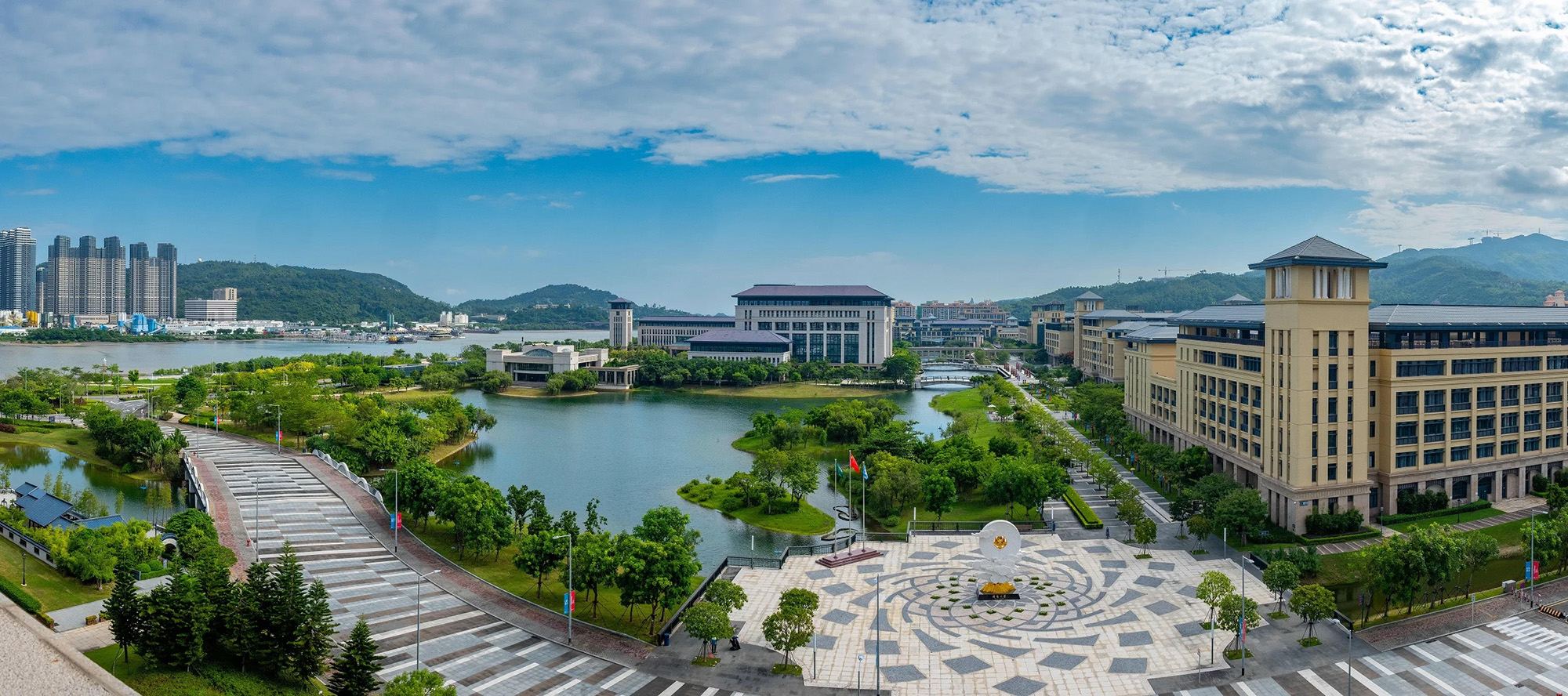
UM will establish five science and technology faculties through faculty restructuring
澳大將改組設立五大科技類學院
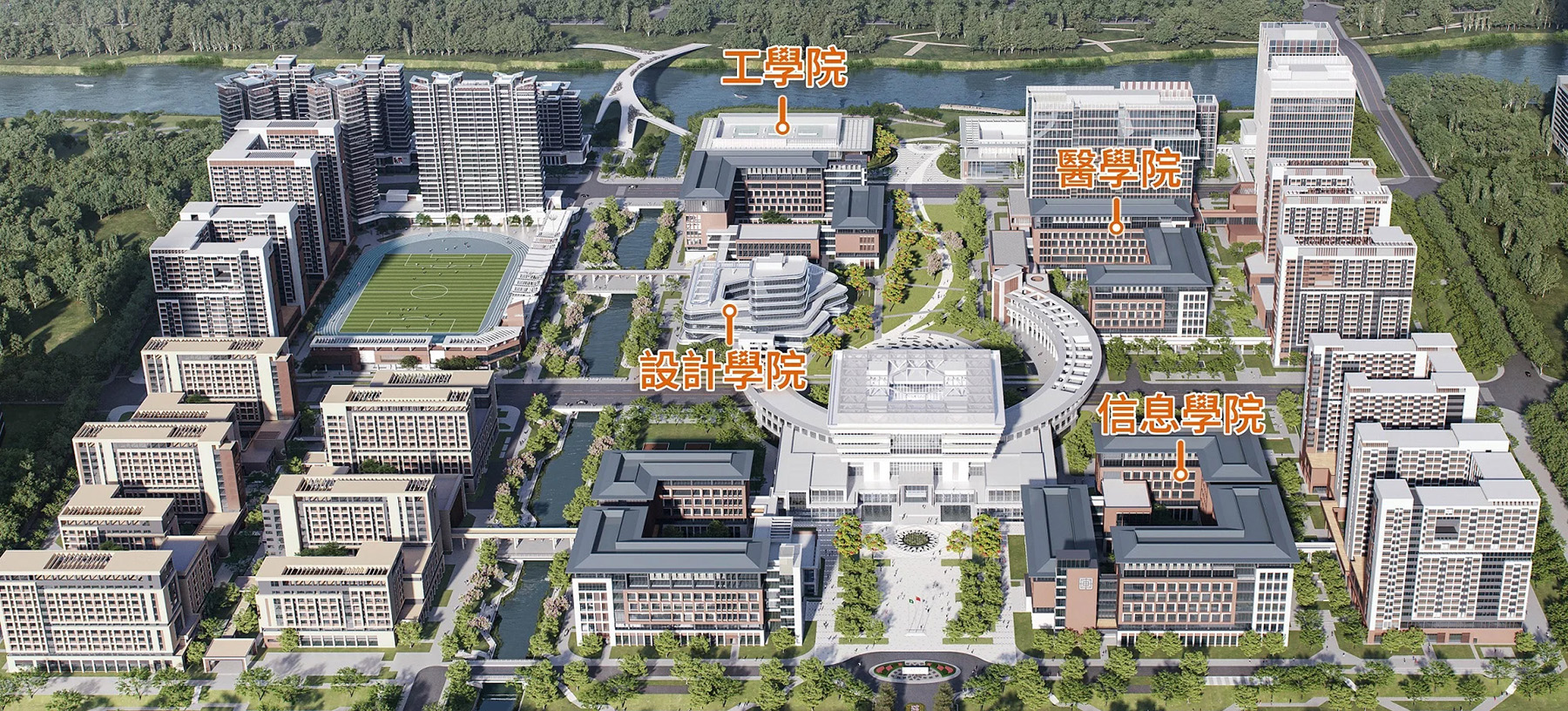
The headquarters of the Faculties of Medicine, Information Science and Computing, Engineering, and Design will be on the campus in the Cooperation Zone
醫學院、信息學院、工學院、設計學院的總部設於合作區校區
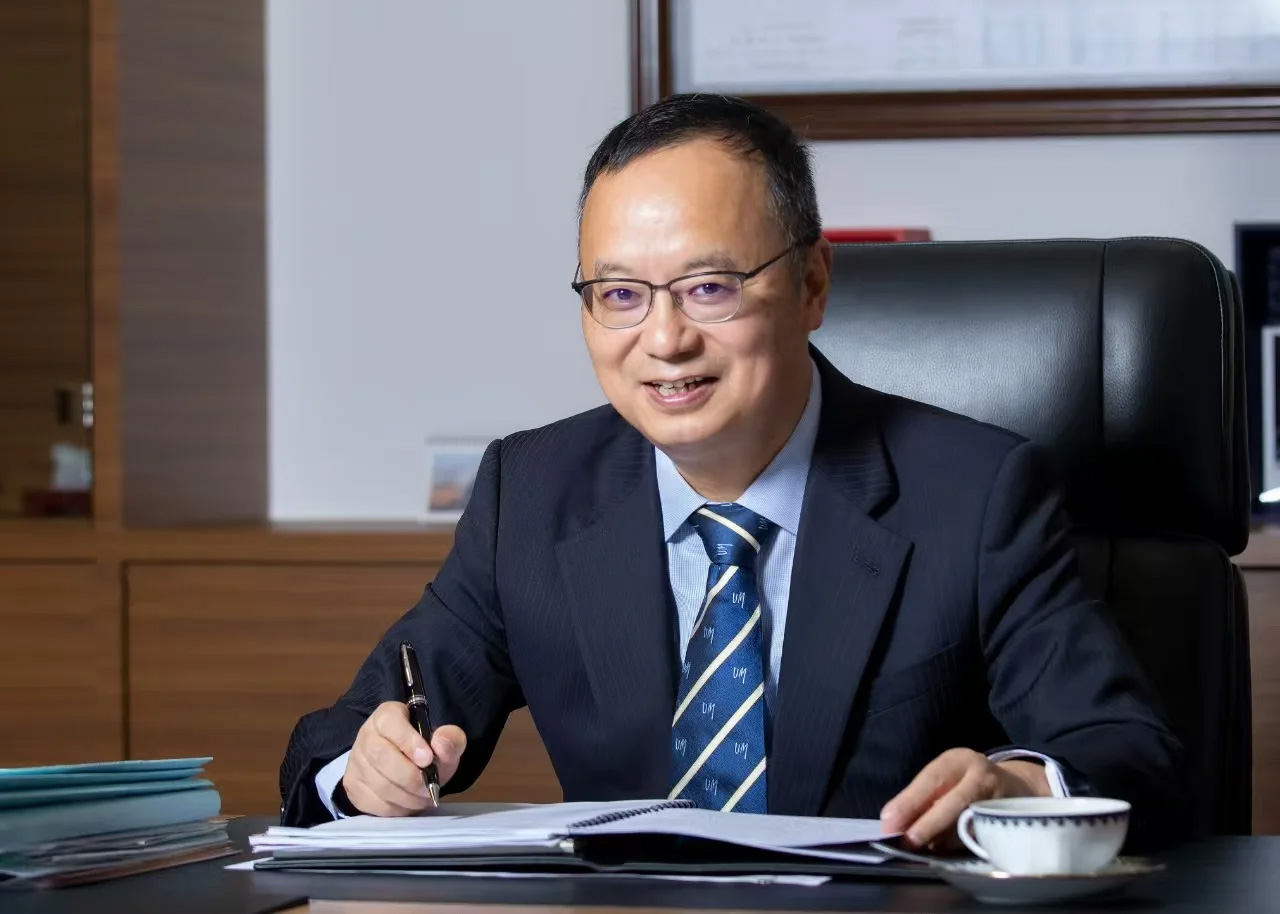
Yonghua Song
宋永華