


UM Faculty of Science and Technology marks restructuring with gala dinner
澳大科技學院辦改組慶典
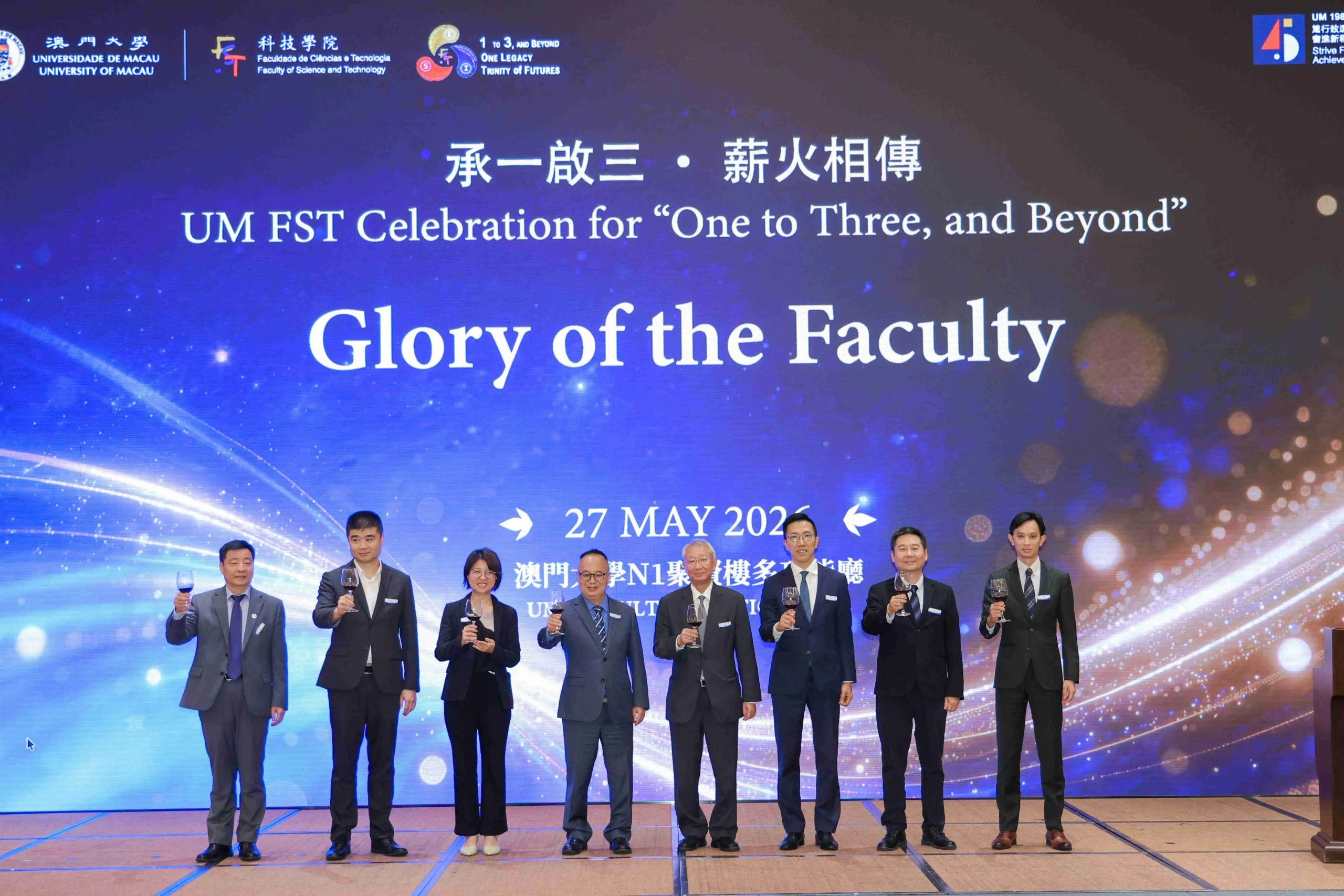
The ‘One to Three, and Beyond’ Celebration Gala Dinner
“One to Three, and Beyond”慶祝系列活動慶典晚宴
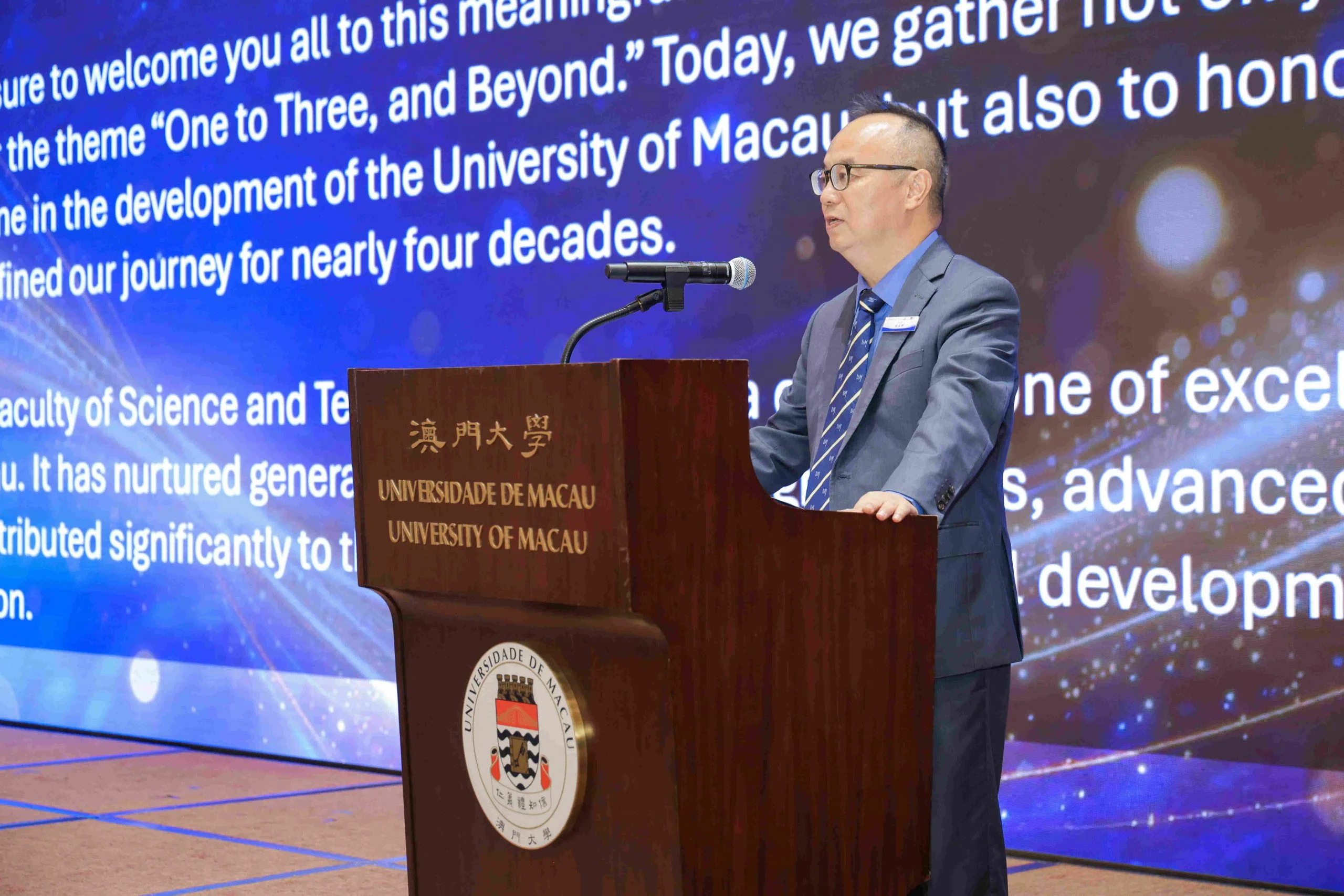
Yonghua Song
宋永華
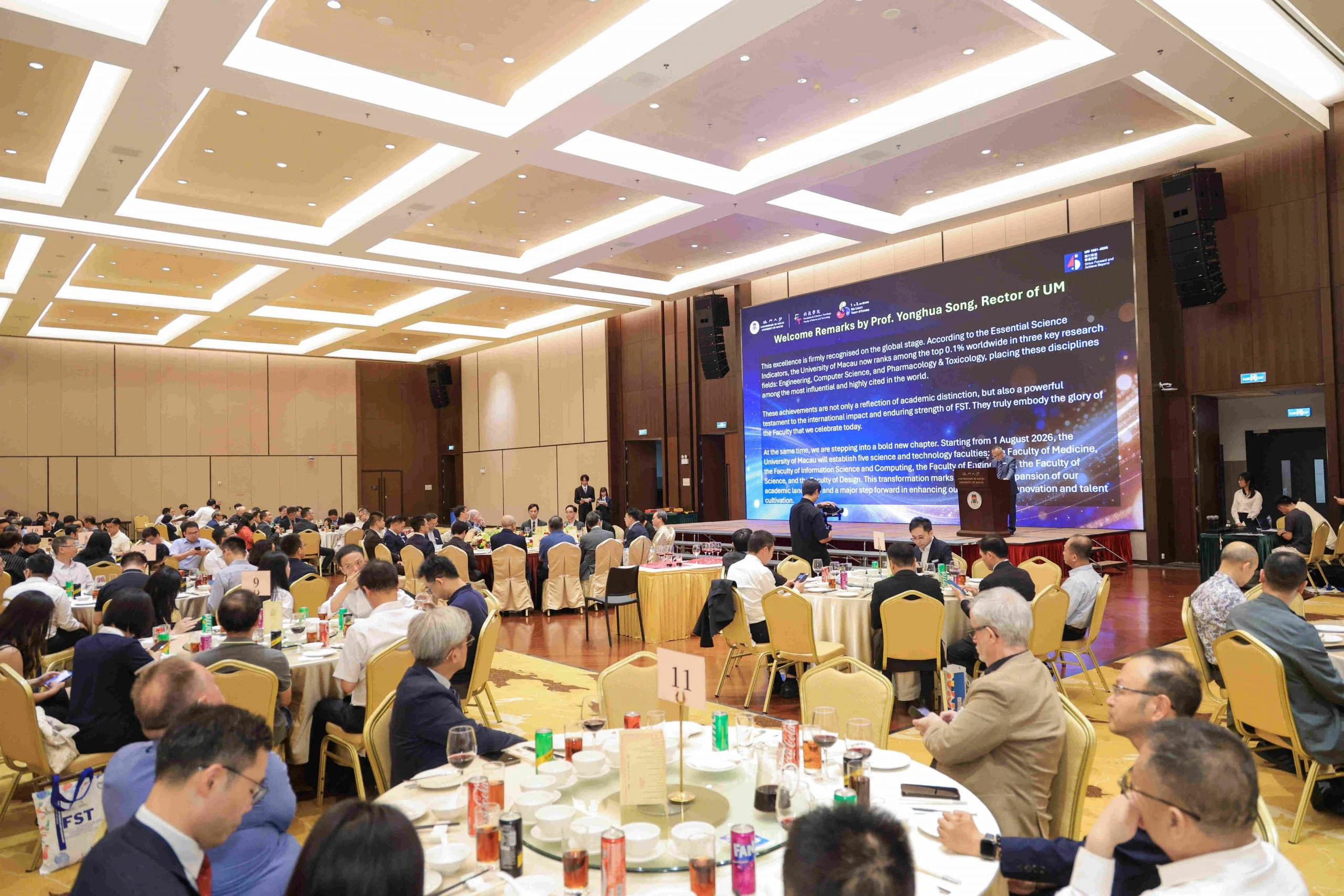
Guests from the Greater Bay Area attend the gala dinner
來自大灣區的嘉賓出席晚宴
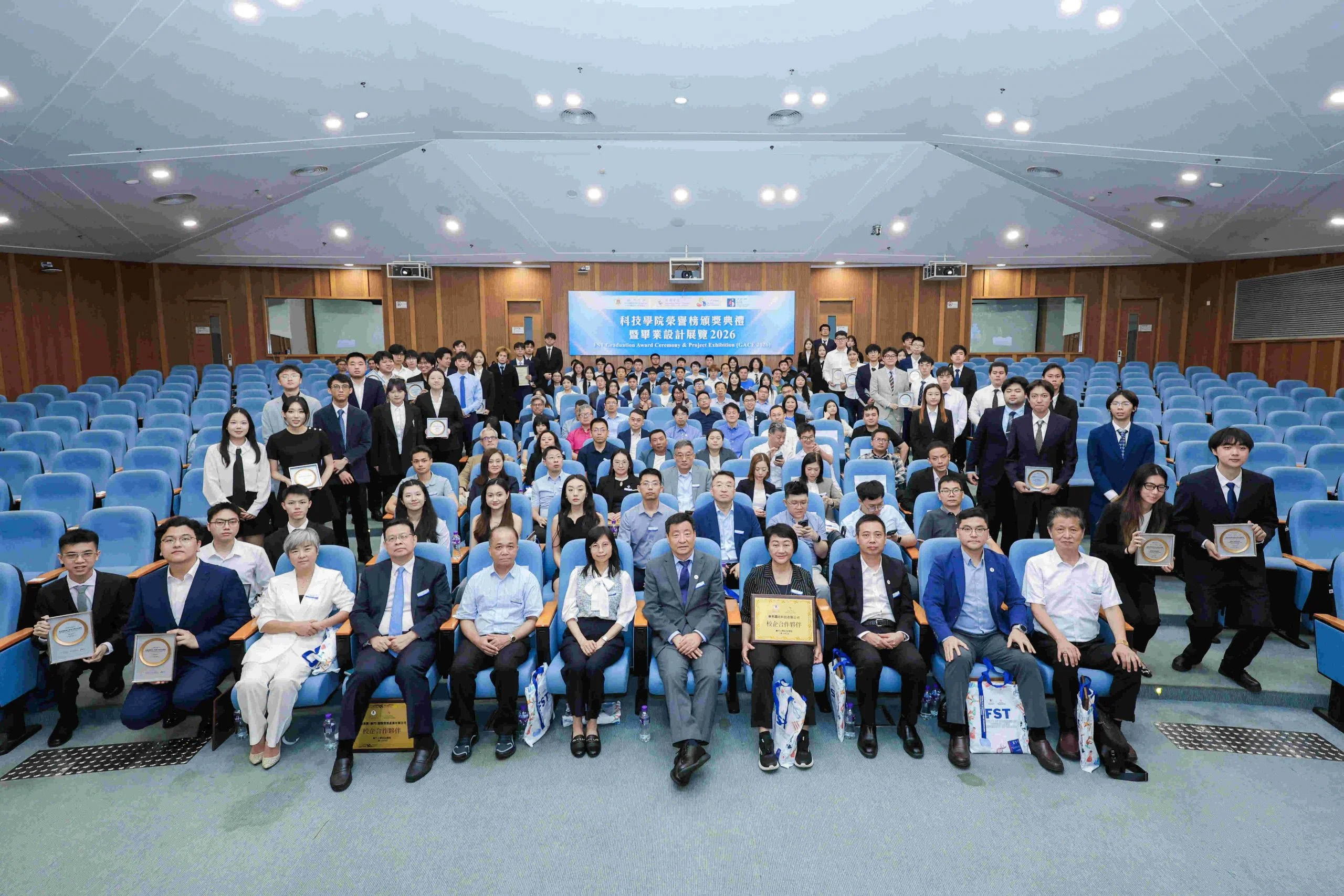
A group photo at the FST Graduation Award Ceremony & Project Exhibition
本科生及碩士生院長榮譽榜頒獎典禮及畢業設計項目展覽合照
Interview with Ken Cheong: Pursuing Dreams in Macao, Advancing with Resolve — Insights on Faculty Restructuring, Industry Development, and Talent Cultivation
科技學院優秀校友張嘉和訪談: 築夢濠江,篤行致遠 – 學院重組、行業發展與培育人才的分享
The Faculty of Science and Technology (FST) of the University of Macau (UM) is about to undergo a historic restructuring. Starting from AY2026/2027, it will officially split into three independent faculties: the Faculty of Information Science and Technology, the Faculty of Engineering, and the Faculty of Science. At this pivotal moment of transition and renewal, we are honored to feature Ken Cheong, co-founder, Chairman, and CEO of Macau E&M Holding Limited and Advisory Committee Member of the Department of Electromechanical Engineering, an outstanding FST alumnus. Ken reflects on his formative years at UM and shares profound insights on engineering education, career development, and industry transformation.
Looking back over two decades to his early days as a UM student, Ken admits he knew little about electromechanical engineering at the time. Yet, driven by curiosity and perseverance, he gradually built a solid professional foundation. He emphasizes a key distinction between secondary and university education: “Secondary school tends to be didactic, while university offers specialized, systematic learning.” For him, FST provided more than just mathematical tools and technical knowledge—it cultivated logical thinking and the ability to learn independently. “Experiments, teamwork, capstone projects—these experiences taught me how to solve problems independently, a skill critical to my later entrepreneurial and leadership journey.”
Among the mentors who left the deepest impression was Prof. Tam Lap Mou, his final-year project supervisor. “He offered immense academic guidance, and even after graduation—over twenty years ago—we still meet regularly for meals, discussing industry developments and life itself.” This enduring mentor-mentee relationship, evolving into a genuine friendship, became a vital source of support throughout Ken’s career. Though Prof. Tam never explicitly encouraged him to start a business, Ken notes that whenever he faced professional or personal dilemmas, his mentor’s wisdom—born of experience—always pointed him in the right direction. “That ongoing support has been far more valuable than any specific advice.”
For new UM students majoring in engineering-related disciplines, Ken offers two pieces of core advice: “First, ask yourself honestly whether you truly love engineering—don’t follow the crowd simply because it’s trendy or what others choose. Second, don’t fear hard work. Engineering isn’t a comfortable nine-to-five path; it demands continuous dedication, hands-on practice, and lifelong learning.” He stresses that the four years at university should not merely lead to a diploma but serve as a crucial foundation for one’s future. “If you just coast through, that’s when you truly waste your time.”
In today’s era of rapid AI advancement, some students worry their future careers may become obsolete. Ken responds firmly: “Instead of fearing replacement, strive to position yourself where you won’t be replaced.” He notes that his company is actively integrating intelligent technologies, and the industry itself is evolving. Moreover, UM’s expansion of its engineering programs and introduction of cutting-edge disciplines aim precisely to equip students with future-proof capabilities. “Turn anxiety into motivation. Today’s knowledge may be outdated tomorrow—only through continuous learning can you stay relevant in a changing world.”
Regarding FST’s landmark restructuring into three faculties, Ken offers high praise: “This isn’t just an administrative reshuffle—it’s a strategic expansion in both depth and breadth.” He believes the new structure will better align with global technological frontiers such as artificial intelligence, green energy, and advanced manufacturing. “Macao may be small, but our vision must extend across the Greater Bay Area and beyond.” He is confident this reform will significantly enhance UM graduates’ competitiveness and enable the university to deliver high-caliber tech talent to society—fulfilling its core mission of ‘educating for societal progress.’”
As an entrepreneur deeply rooted in Macao while expanding into Hengqin, Ken also highlights the unique advantages of Macao-trained engineers. Those staying local should leverage multilingual skills, networks, and policy support; those heading to mainland China should take advantage of mutual professional recognition mechanisms within the Greater Bay Area, using their internationalized education and English proficiency to adapt quickly. “Barriers that once existed are falling away—now is the best time for Macao youth to pursue careers or start businesses on the mainland.” Using the analogy of “ten people competing for eight chairs,” he illustrates today’s intensifying competition: “In the past, there were plenty of seats; now you must work harder to secure yours.” Yet he insists that a sense of urgency should not paralyze—but propel. “Opportunities always favor those who are prepared, especially those who genuinely love what they do and keep improving.”
From an undergraduate student in the Department of Electromechanical Engineering at UM to an entrepreneur who successfully led a local company to go public, Cheong Ka Ho’s journey exemplifies the profound impact of the FST’s education. As the Faculty undergoes a historic transformation, his story inspires fellow UM students: only by building a solid foundation, embracing change, and never ceasing to move forward can one navigate the tides of our times with purpose and perseverance—and ultimately write their own chapter of aspiration and achievement.
2026年,澳門大學科技學院迎來成立三十七週年的里程碑,同時也邁入歷史性的轉型階段——正式拆分為信息學院、工學院及理學院。這一重組不僅標誌著學院對時代變遷的積極回應,更體現了其培育未來科技人才的前瞻佈局。值此之際,我們特別邀請2001年科技學院機電工程本科畢業生、濠江機電聯合創始人、主席兼行政總裁、科技學院機電工程系顧問委員張嘉和校友,回顧他在科技學院的求學歷程,並分享他對工程教育、職業發展與產業變革的深刻見解。
回望二十多年前初入澳門大學的日子,張嘉和坦言當時對機電工程所知甚少,但憑藉興趣與堅持,一步步建立起紮實的專業基礎。他指出,大學教育與中學截然不同:「中學可能是灌輸式的教育,而大學則是更加專業化、系統化的學習。」在他看來,科技學院給予他的不僅是數學與工程知識,更重要的是邏輯思維能力與自主學習的方法。「實驗、團隊合作、專題項目等,這些經歷讓我學會如何獨立解決問題,這對日後創業與管理至關重要。」談及影響最深的師長,張嘉和提到譚立武教授——他畢業專題的指導老師。「他不僅在學術上給予我幫助,畢業後二十多年,我們仍定期聚餐,交流行業工作與人生。」這種亦師亦友的關係,成為他職涯中的重要精神支柱。雖然譚教授並未直接建議他創業,但張嘉和坦言,每當在事業或人生遇到困惑,他總能以過來人的智慧提供指引。這種持續的支持,比任何具體建議都珍貴。
對就讀工程相關專業的澳大新生,張嘉和提出兩點核心建議:「首先要問清楚自己是否真正熱愛工程,不要因為市場熱門或他人選擇而盲目跟風;其次,不要怕辛苦。工科不是朝九晚五的安逸路徑。它需要持續地投入、實踐與不斷學習。」他強調,大學四年不應僅為一紙文憑,而是為未來鋪路的關鍵階段。「如果只是得過且過,那才是真正的浪費時間。」在人工智能迅速崛起的今天,也有部分學生擔憂未來職業被取代。對此,張嘉和態度堅定:「與其擔心被取代,不如努力讓自己站在不被淘汰的位置。」他指出,濠江機電正積極引入智能技術,行業本身也在進化中。此外,學校擴充成為三個全新學院、新增多個前沿學科,正是為了讓學生具備面向未來的能力。「把擔憂轉化為學習動力。今日的知識可能明日就被更新,唯有持續進修,才能立足於變動的時代。」
對於學院拆分為三院的重大改革,張嘉和給予高度評價:「這不僅是形式上的調整,而是深度與廣度的雙重拓展。」他認為,新架構能更精準對接全球科技趨勢,如人工智能、綠色能源、高端製造等新興領域。「澳門雖小,但我們要放眼粵港澳大灣區乃至全球。」他相信,這樣的改革將大幅提升澳大學子的競爭力,並為社會輸送高素質的科技專業人才,真正實現「大學為社會育才」的核心使命。
作為深耕本地並拓展橫琴的企業家,張嘉和也分析了澳門工程人才的獨特優勢。若選擇留澳發展,應善用語言、人脈與政策支持,若赴內地發展,則要把握大灣區資格互認機制,發揮國際化教育背景與英語能力,快速適應當地環境。「過去的壁壘正在打破,現在正是澳門青年北上創業、就業的最佳時機。」同時,他以「十人八椅」比喻當下日益競爭環境:「以前椅子多,現在要更努力才能坐穩。」他再次強調,危機感不是停滯的理由,而是行動的號角。只要你真心熱愛所學,持續精進,機會永遠屬於準備好的人。
從澳門大學機電工程系的一名本科生,到帶領本地企業成功上市的創業家,張嘉和的成長軌跡印證了科技學院教育的深遠影響。在學院邁向歷史性轉型之際,他的故事為更多澳大學子帶來啟發——築牢根基、擁抱變化、永不止步,才能在時代浪潮中篤行致遠,譜寫屬於自己的理想篇章。
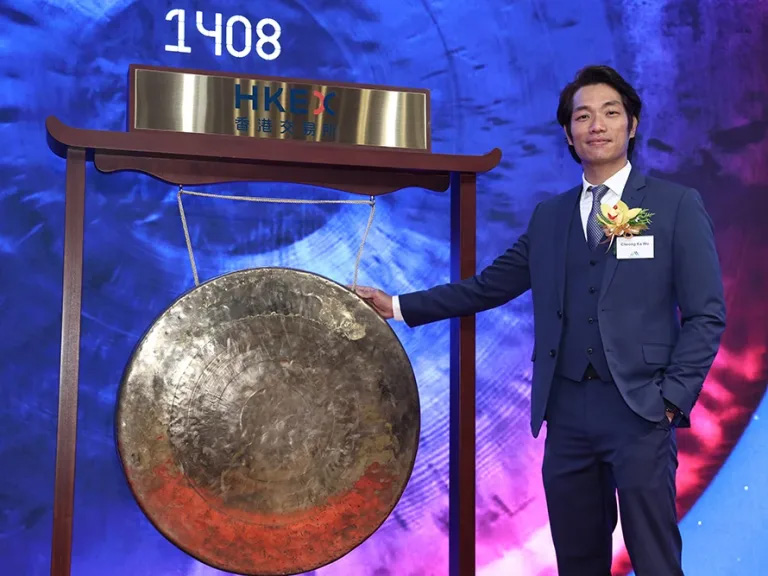
Ken led his company to go public
張嘉和帶領其公司上市
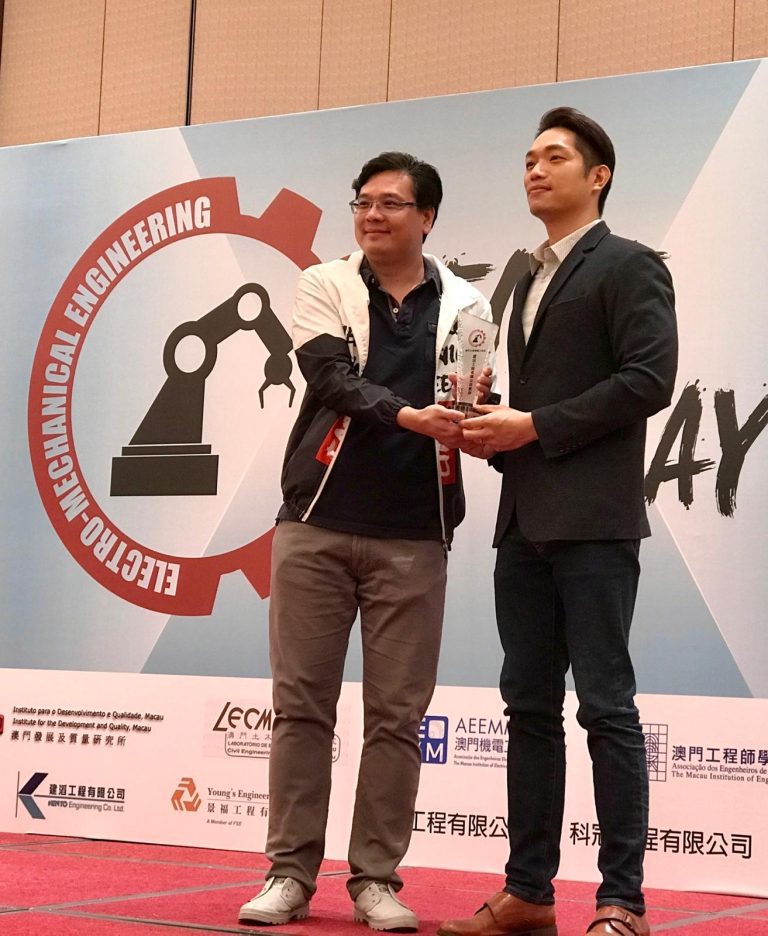
Ken (right) returned to UM for joining the EME Day (2019)
張嘉和(右)回母校參與EME Day (2019)
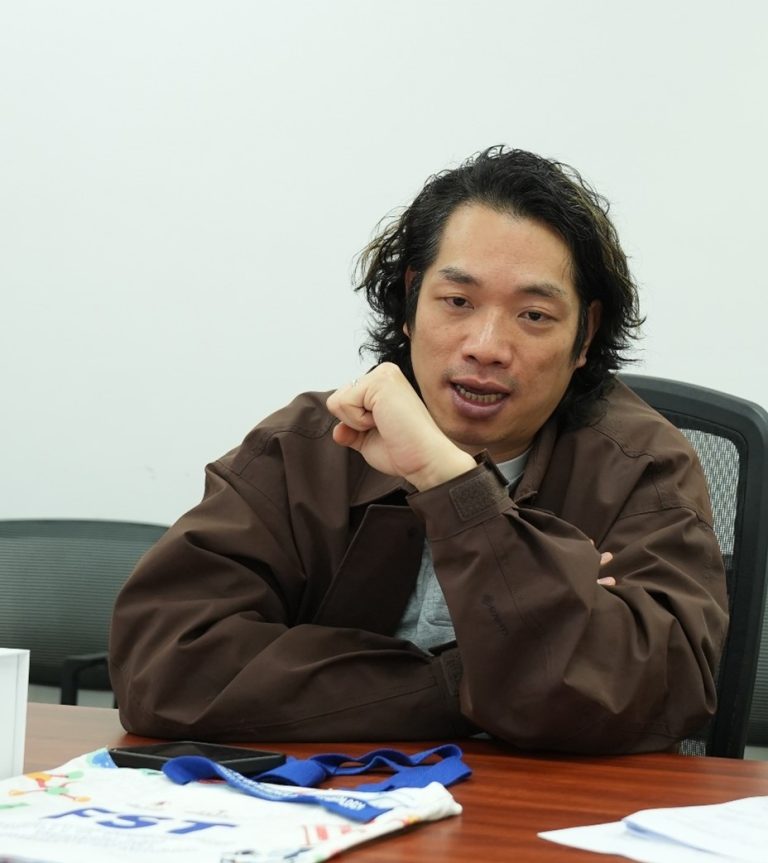
Ken Cheong as an alumnus of FST, shared his views on the institute’s restructuring, industry development, and talent cultivation
張嘉和以科技學院校友分享對學院重組、行業發展與培育人才的看法